


How Can You Make Your Site Quality on Google with E-E-A-T?
In this article, you will find information about what EAT is, or EEAT as it is now called, what Google expects from website owners, and what you need to do to make your site authoritative, trustworthy, and expert in its field. Google algorithms evaluate many signals to provide results that match search intent. While collecting these signals, Google also places importance on the information it receives from search quality raters.
Search Quality Assessment Guide
People who evaluate search quality are individuals from many different parts of the world who speak different languages. These evaluators assess websites according to Google’s Search Quality Guidelines. Their ratings do not directly affect rankings, they only indirectly help Google’s algorithm.

It is also worth noting that these evaluations are carried out by groups of users who meet certain requirements and pass specific tests. These people, known as Search Quality Evaluators, perform these tests in return for payment. They must all complete certain tasks and conduct their analyses in accordance with these guidelines.

These guidelines provide evaluators with guidance on how they can rate websites. During the evaluation process, pages are classified as lowest, low, medium, high, and highest quality. When evaluators rate pages, they consider factors such as:
- The purpose of the page,
- EEAT evaluation,
- Content quality and quantity,
- Information about and the reputation of the person who created the content.
Google also asks evaluators to test the page’s Main Content (MC), such as using a calculator, playing a game, or watching a video on the page. In other words, the MC of a news page is the news content itself, not areas such as related news.

*The latest version, released on December 15, has been updated with significant changes to the document, new sections, tables, and about 11 new pages of content.
What is E-E-A-T?
EEAT is an acronym for Expertise, Experience, Authoritativeness, and Trust, and is used to refer to Expertise, Experience, Authority, and Trustworthiness.
EAT was first leaked in 2011 and was updated over the years. In July 2018, it was expanded to make it more up to date and useful. EEAT is actually defined as an item under the Search Quality Guidelines.

EEAT began to gain attention after the Google algorithm update released in August 2018, also known in the SEO press as the “Medic Update.” The main reason it was called the Medic Update was that it generally affected health websites. Following subsequent algorithm changes, the Search Quality Evaluator Guidelines began to be updated more frequently.
On December 15, 2022, Google made another change to the QRG and introduced another metric into our lives under its updated name: E-E-A-T.
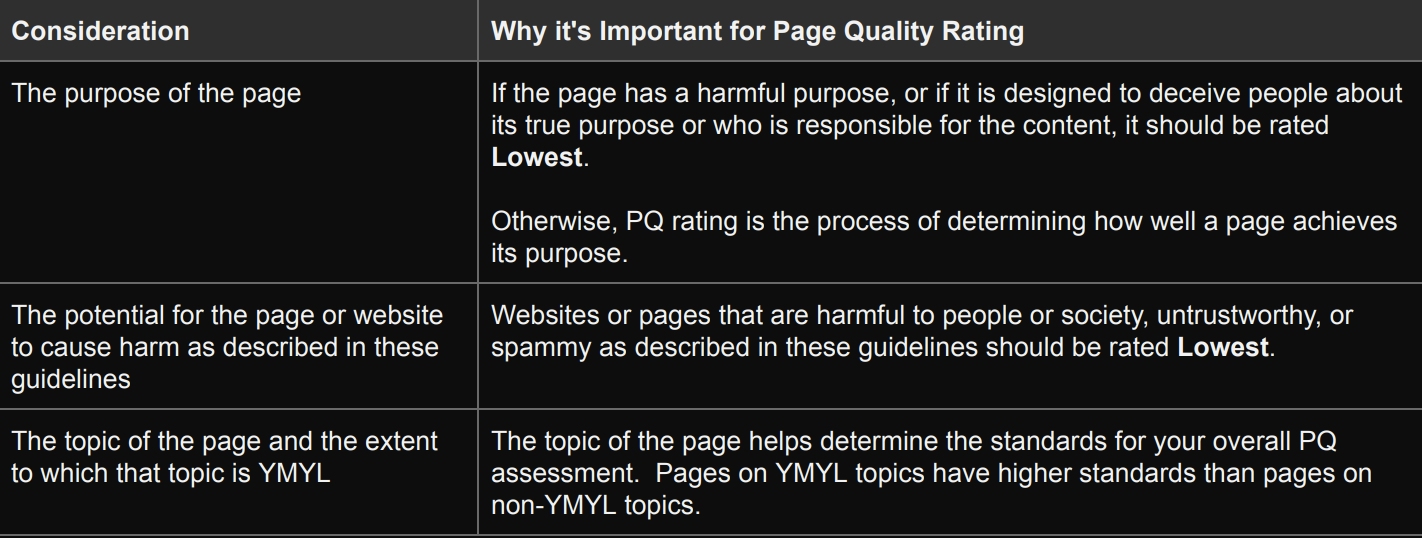
Google also added a new table explaining what should be considered when evaluating page quality. For example, it stated that if the purpose of a page is to harm or deceive users, it should be rated as “Lowest”:
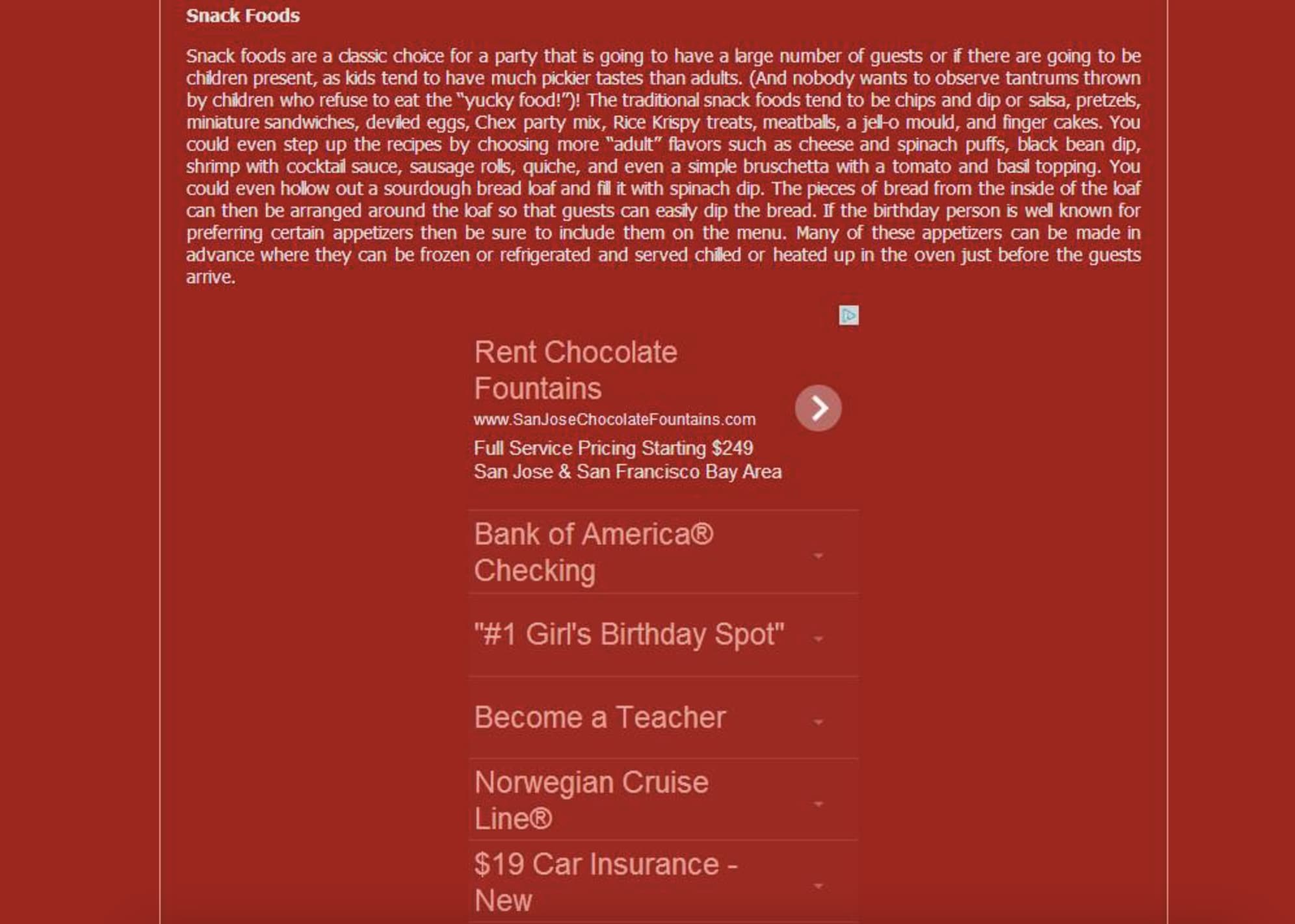
Google also states that while ads are necessary for many websites to make money, “the ways in which ads contribute to the user experience” should be taken into account when evaluating page quality:

In the example below, you can see an ad that makes the content difficult to read. Irrelevant sexually explicit ads or other types of unrelated advertising can also negatively affect the page experience:
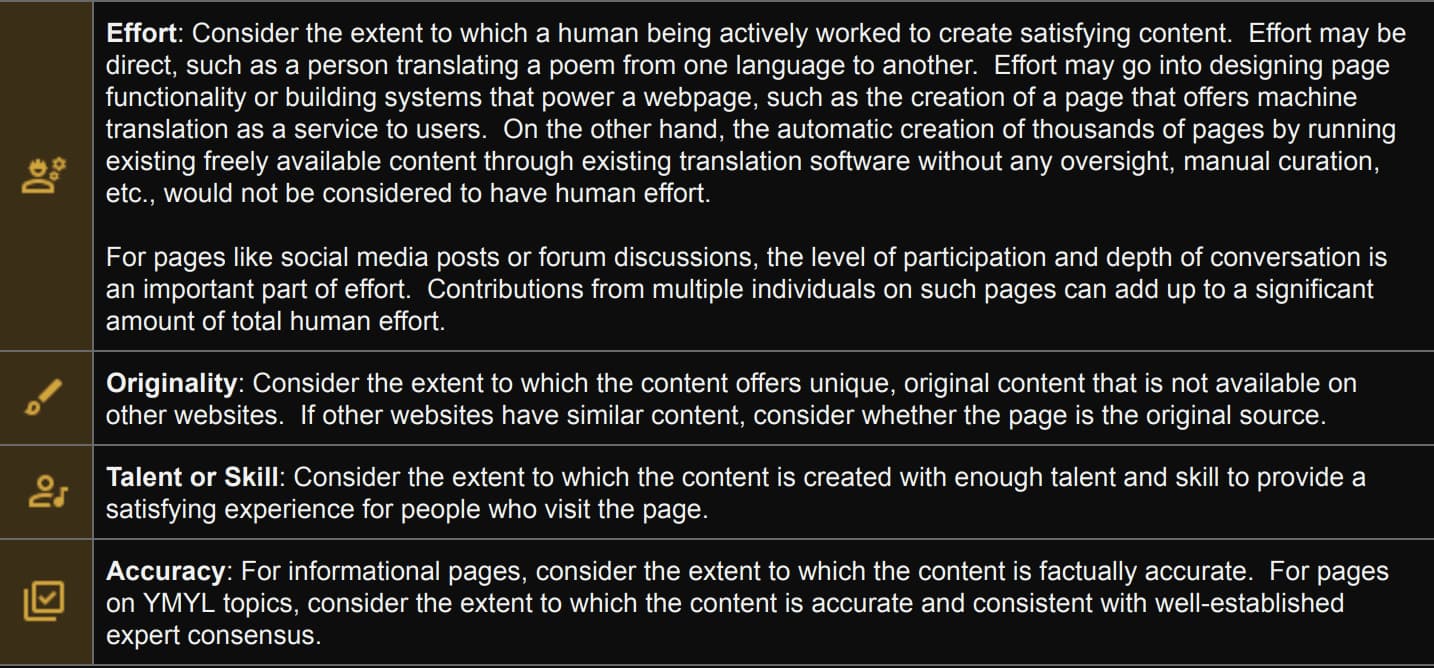
Google also added the concept of “originality” to the guidelines when discussing how content quality should be measured. Originality had already been emphasized frequently in August 2022. A point was added stating that when similar content exists on other websites in the industry, it should be possible to determine which content is original. Concepts such as “talent” and “skill” should also be considered in terms of page quality and Main Content (MC):
Google introduced a new table explaining how evaluators should approach experience, expertise, and authority. To briefly give an example from product review websites, a trustworthy review should help searchers make informed and accurate decisions rather than simply trying to sell them the product. First-hand experience has now become part of the equation:
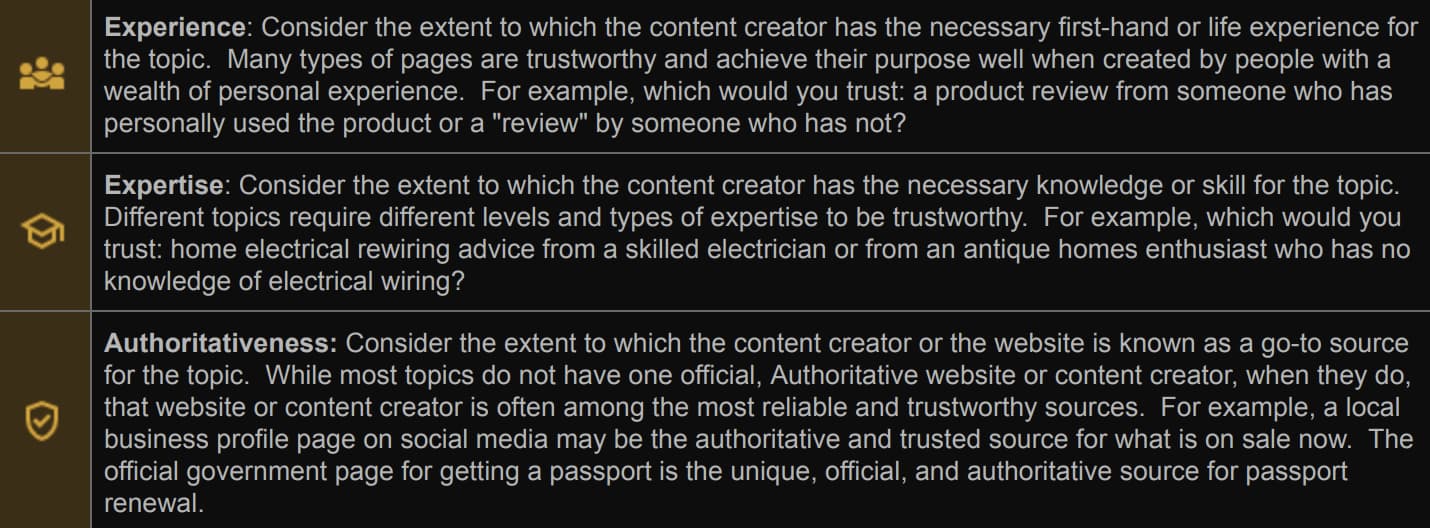
As you may remember, Google discussed these topics in greater detail with the product reviews update. In GEO work as well, EEAT is one of the primary areas of optimization required to appear in results.
EEAT & YMYL Relationship
Your Money or Your Life (YMYL) and EEAT are closely related. To explain what this means in more detail, websites considered YMYL include those that produce content on health, legal, or financial topics. Correct or incorrect information can directly affect people’s lives.
Which Sites Can Be Within the Scope of YMYL?
- A website where bill payments are made,
- Pages for money transfers or banking transactions,
- An e-commerce website where you enter your credit card information,
- A parenting blog that gives parenting advice,
- Websites that provide recommendations for pregnant women and baby care,
- News websites (covering local or national current events),
- Forum websites (which should include information such as forum rules),
- Websites that provide information about people (such as religion, race, or nationality),
- Automotive safety (LPG, vehicle repair, etc.),
- Legal advice (lawyers, custody, divorce, enforcement proceedings, etc.),
- Hobbies that require expertise (playing guitar, professional photography),
- Financial information (loans, investment, saving money, etc.),
- Websites that provide information about adoption,
- Home renovation & repair (incorrect information can cause serious financial losses),
- Websites related to choosing a school and finding a new job,
- A medical health page (medication recommendations, veterinarians, dietitians, hospitals, medical centers, health blogs).
News or portal websites with content that falls under YMYL should also pay attention to these points. The section where examples of YMYL pages are provided is shown below:
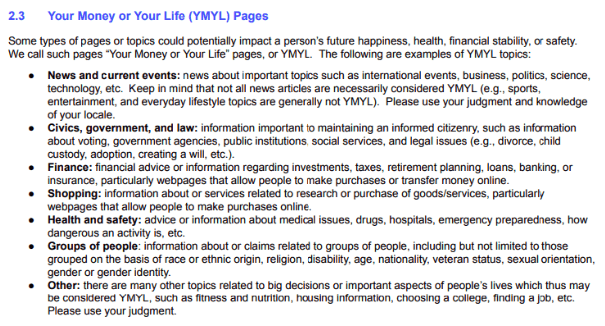
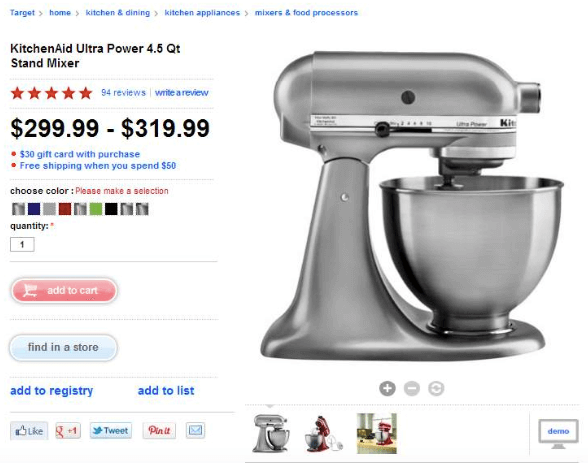
We can say that YMYL pages that provide users with the correct answer have a high level of EAT. The reason is that users feel safe on the website and feel that the content has been created by trustworthy sources. The example below shows a high-quality e-commerce website. A large number of user reviews, product features, multiple product photos, and processes such as shipping and returns are clearly presented.
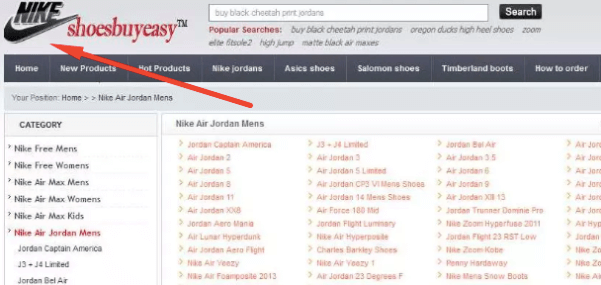
Let’s look at another example. The website in the image below uses the Nike logo and does not have a physical address. It is an example of a lowest-quality website:
If you produce content about hobbies, such as keeping fish, people’s personal experiences become more important than expertise. Not all news websites are considered YMYL. For example, topics such as entertainment and everyday lifestyle are not evaluated as YMYL. In another very low-quality example, a phishing website asks visitors for information that should not be requested, such as their banking password and social security number.
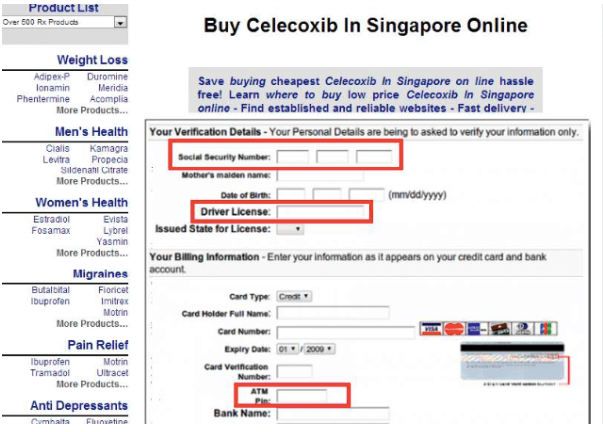
Google actually wants to protect people from bad advice and information by looking at such details.
What is Experience?
According to Google, experience is the result of the positive and negative views gained by someone who has personally used a product.
- Examples of experience may include:
- Sharing specific dishes from a restaurant supported by original images,
- Personal observations and experiences related to a place that was visited,
- Discussing the amenities offered by a hotel/hostel,
- Observations before and after treatment/surgery,
- Specific product reviews and providing details about them.
The example below shows a high-quality video page. Two engineers use original content to show how to care for cats and their funny side. The most important detail in terms of experience is that they have experience with “adopting cats.” Rather than demonstrating formal expertise about cats, this content is an example of High E-E-A-T:

One of the highest-quality examples of experience can be found in a recipe. The author explains every part of their experience with a pancake recipe step by step using images. They provide high-level information about the ingredients, preparation time, and all other aspects. Their expertise and skill are reflected in original and highly satisfying MC:

You can also think of articles that support information about places the author has personally visited with their own photos and other details (transportation, places to eat, etc.) as page types where experience comes into play.

Google also clarified the fundamental difference between Experience and Expertise with a table. It explains whether experience or expertise is required for various topics such as health issues, voting, and saving for retirement. For example, for a query such as “How to Vote,” an example of Experience could be a post by an ordinary social media user explaining why they believe people should vote and why it matters to them. Expertise, on the other hand, could be a page containing details about who is eligible to vote.
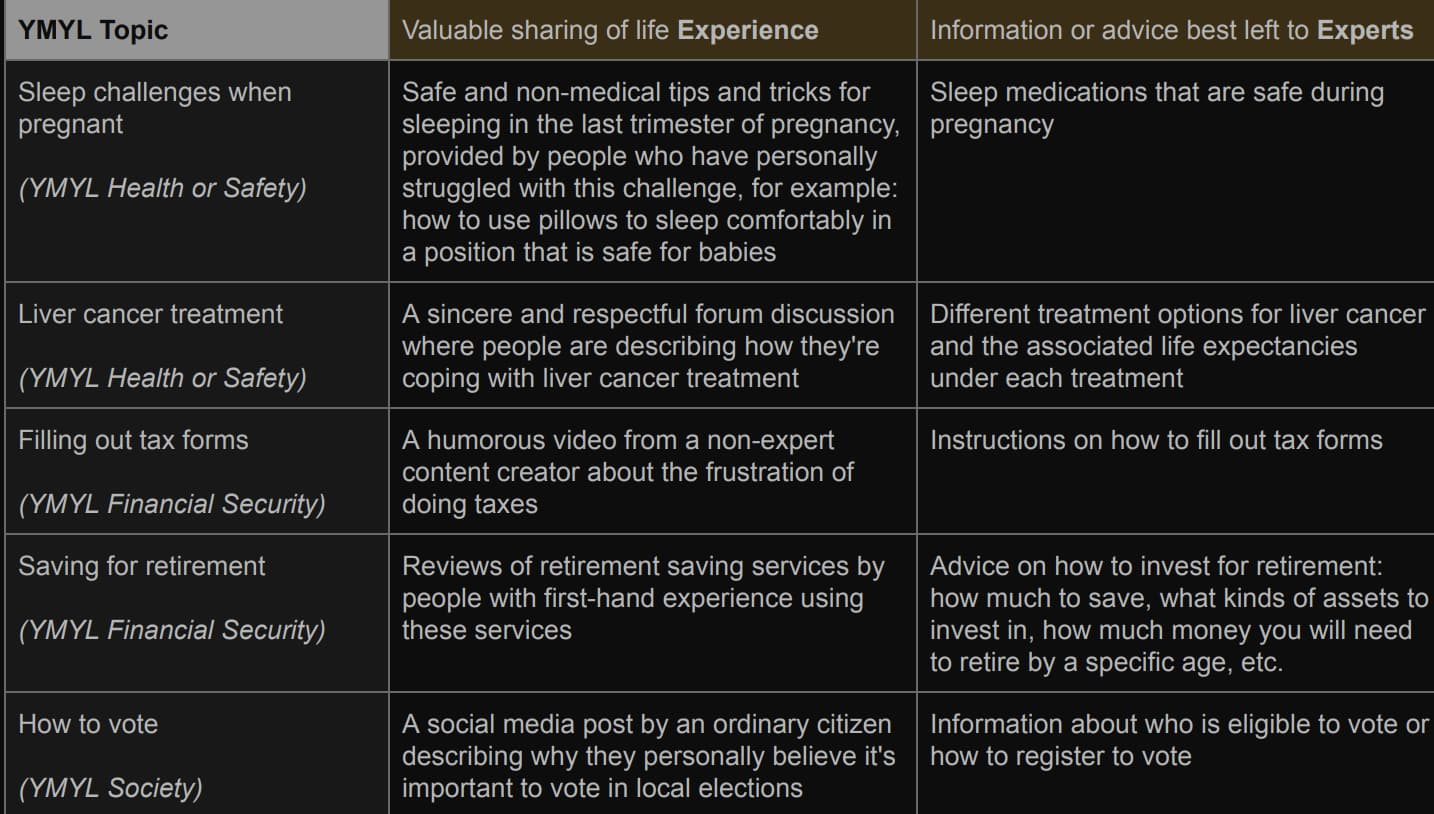
What is Expertise?
Expertise means demonstrating through different sources and, where available, documentation that you truly are among the best in a field in which you provide services and want to succeed.
The language and information used when producing content should demonstrate expertise. Claims that are not based on evidence should not be made, and incorrect information should not be provided intentionally or otherwise. You should make sure that not only you, but also the users who visit your website, are aware of your expertise. How can you do this? For example, when you visit a doctor, details such as the doctor’s name and title, certificates of authorization, and diploma can provide indicators of that doctor’s expertise & trustworthiness. When we bring this real-life situation online, displaying the same documents on the website can also support E-E-A-T. An example doctor profile:
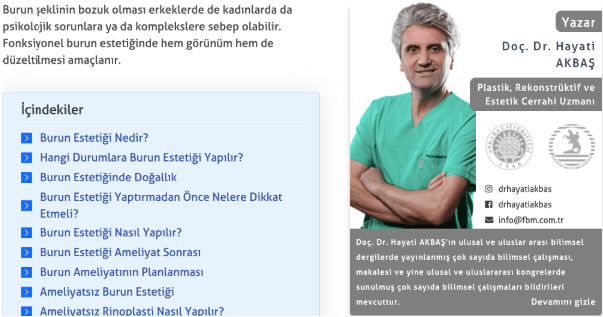
Adding an author profile to published content helps provide users with much more detailed information about the person who created it. You can also share this high-quality content created from an expert perspective on social media platforms such as Twitter & LinkedIn. You can also demonstrate your reputation outside your own website by guest blogging on relevant blogs. If your content is written and reviewed by a medical team rather than a single doctor, you can look at the Acıbadem example below.

For websites that do not directly affect people’s lives from a YMYL perspective (such as gossip or satire), EAT may not be important. User-generated content (UGC) does not always indicate low EAT; however, if it falls under YMYL, it may appear as low EEAT. Looking at the example in the guidelines, the topic is related to YMYL, while the people providing the answers do not have relevant expertise. Forum websites and similar platforms should pay particular attention to this issue.

What is Authority?
Google may want to understand how relevant the author who created the content is to their field and whether they have the necessary competence in relation to the topic they are writing about. Let’s use a real-life example. Imagine you buy a newspaper or magazine and are reading a page about a health or economic topic.
If the page did not tell you who wrote the article, or if the identity of the doctor providing health-related advice were hidden, this would raise doubts, wouldn’t it? For this reason, website authors should provide not only their first names but also their surnames. These details should not be hidden and should be placed in sections that are easy to find. Below, you can see the Hamamingo example, which demonstrates its authority to visitors and receives very good ratings and reviews.
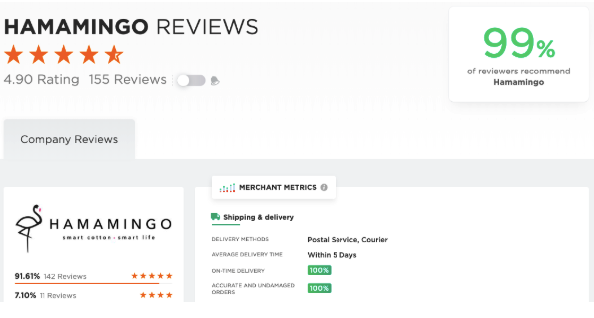
You can consider receiving reviews not only through Google My Business, but also from platforms such as Google Shopping, Reviews.co.uk, Yelp, or Zomato. However, publishing only positive reviews on your website may appear suspicious to visitors. Be sure to maintain the right balance between positive and negative reviews, and do not hesitate to explain them. If the website is affiliated with an association, organization, or other trustworthy source, this should be displayed in sections where users can clearly see it.
If you sell products, ask your customers to review you. You can even encourage them to leave impartial reviews with small rewards. Reviews can also help locally, especially if you are a smaller business or operate in local search. As shown in the image below, iyzico clearly demonstrates that it is an authorized organization.

If you are an organization providing medical services, you can collect your patients’ feedback before or after treatment/surgery in compliance with the relevant laws and regulations. Google also explains to its raters how they should conduct reputation research about a website:

Your website does not need to have a link on every page where its name is mentioned. Google may also treat mentions as unlinked references and interpret them as a signal. For example, when we search for MediaMarkt, we can see that the brand is mentioned on many news websites.

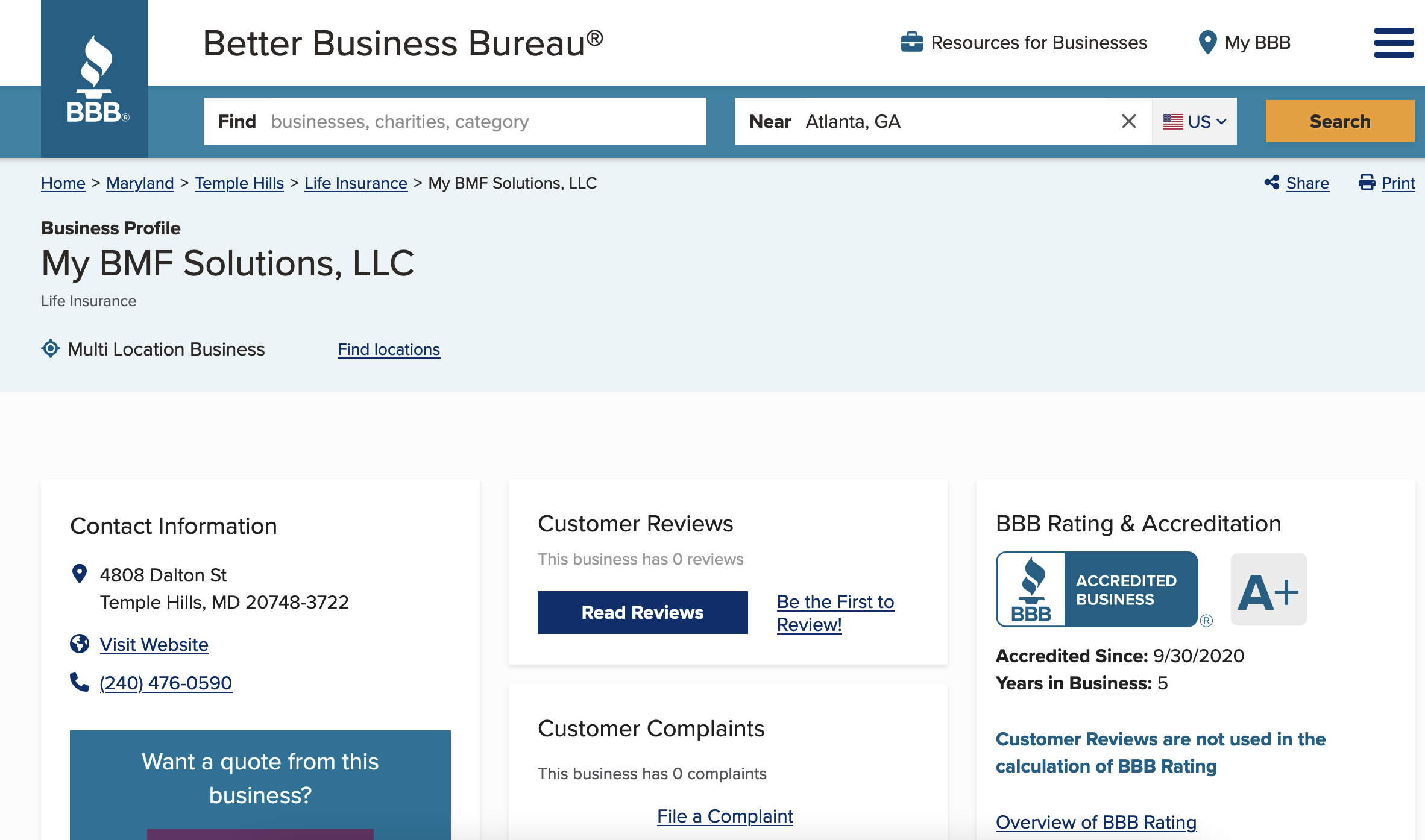
If your organization has an A+ rating, for example by the BBB, this indicates a positive reputation:
What is Credibility?
Let’s look at security from this perspective. If Google sends a visitor to a website engaged in fraudulent activity, both the visitor’s trust and, over time, Google’s own trustworthiness may be damaged. As a result, Google wants to make sure that all websites appearing in the SERP (Search Engine Results Page) are as trustworthy as possible and fully meet visitors’ needs. An example of how news websites can demonstrate their trustworthiness to visitors:

You can include many different types of information under the concept of “Trust”, there is no strict limit. You can do anything, including design choices, that makes users feel safe and secure. By using HTTPS on your website, you can show that their personal data is protected. Google also announced on August 6, 2014 that HTTPS was officially being used as a ranking signal.
Some recommendations for demonstrating trustworthiness:
- About Us pages,
- Academic studies/titles,
- News coverage about the website,
- Displaying awards that have been won or for which the organization has been nominated,
- Commercials or videos showing success stories, if available,
- Locations of stores with a real physical presence (customers will know that they are working with a real organization),
- Customer service contact information,
- Privacy & return policies,
- A page explaining shipping processes,
- Payment methods and bank logos,
- Various on-site trust badges and seals,
- 3D payment options,
- Ratings and reviews from different rating organizations.
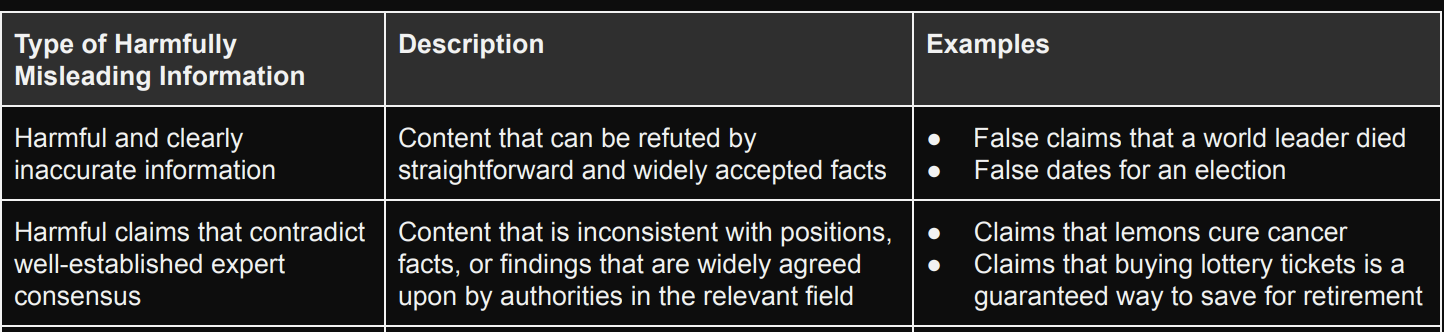
Trust will naturally decrease when harmful and misleading information is provided. In the guidelines, for example, content that gives incorrect dates for an election or claims that someone can retire by buying a national lottery ticket is considered “harmfully misleading information”:
A website is not expected to include all of the items above in order to increase trustworthiness. You can plan to use the trust indicators that are most appropriate for your website. For example, it would not make much sense for a website in the healthcare sector to provide information about 3D payment methods. In Altınbaş’s footer, for example, shipping processes and customer relations are clearly displayed.

Google's specifications for pages like Contact;

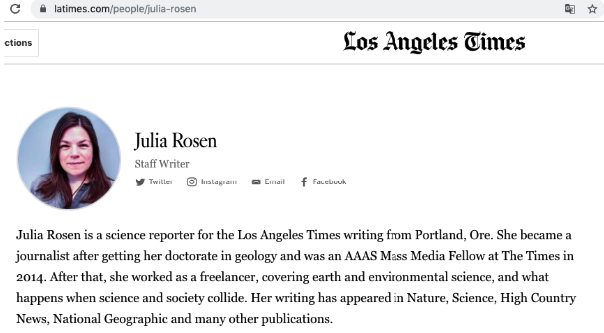
One of the simplest indicators of expertise is to show the author's bio and social media information on the author's profiles. You can also refer to this article on creating quality bios. Sample author profile from the Los Angeles Times;
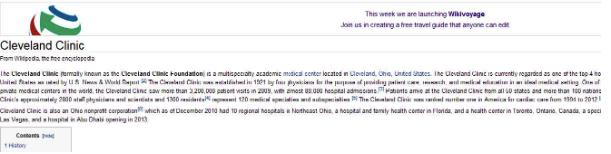
Another example from the guidelines is from the Cleveland Clinic site;
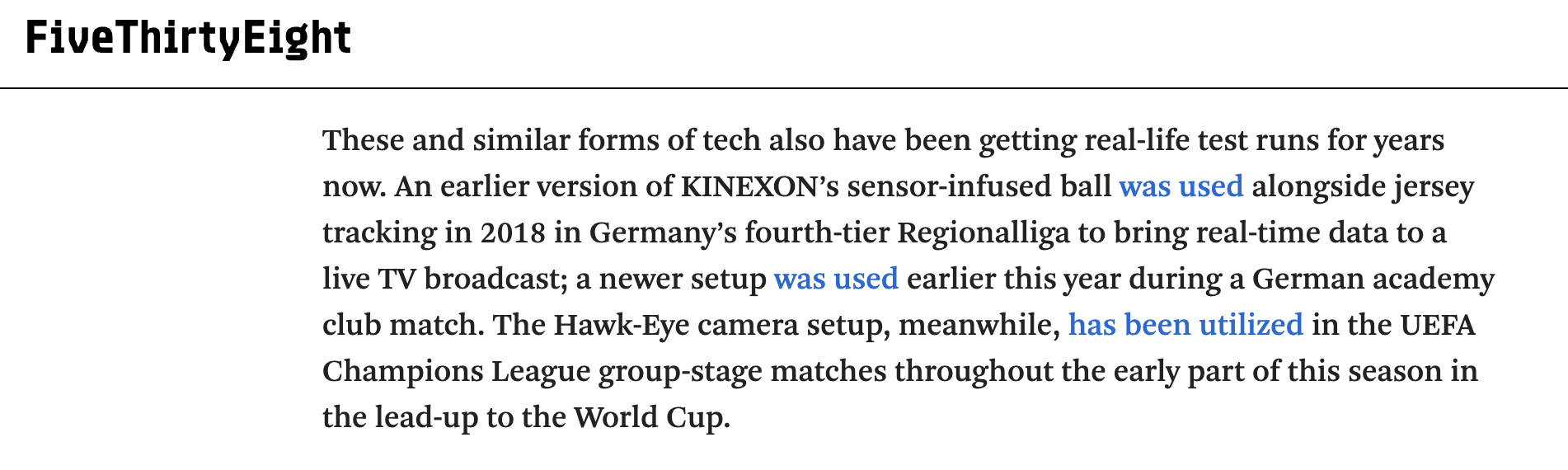
You can reinforce your trust status by linking to high-quality sites related to your industry. You can link your content to official sources to show what your content is about. The example article below is an excerpt from an article about the future of the FIFA World Cup soccer ball:
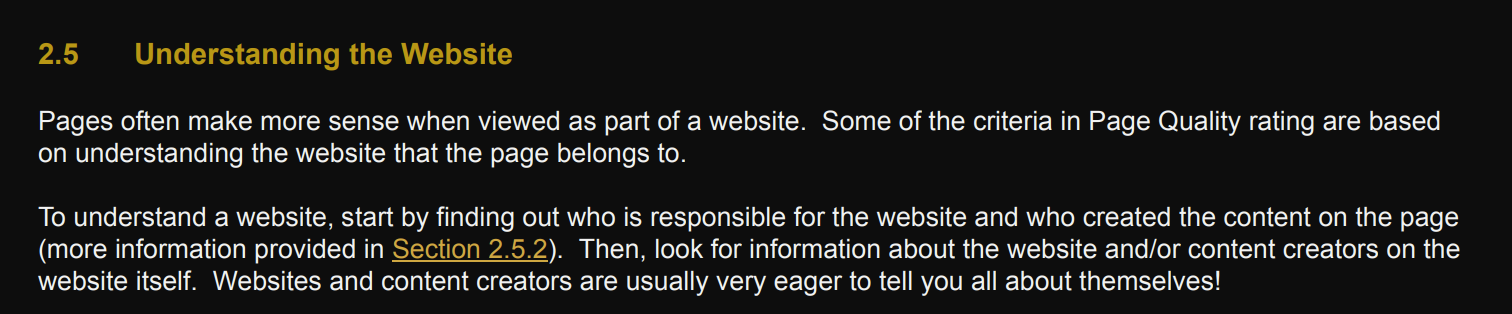
In December 2022, a new section was also added about “understanding who is responsible for the website’s content and who created the content on the page.” In fact, this was already an important topic for ranking in Google News:
Google says that you can understand from the Wikipedia article that this website is recognized as one of the top four hospitals in the United States. Wikipedia also appears quite frequently in Page Quality.

Because of conflicts of interest, a review written by the manufacturer of a product is not trustworthy. (Our product is great, you absolutely have to try it!) Even reviews created by social media influencers may not be trustworthy when there is an obvious conflict of interest.
Why is EEAT so Important for Websites?
Google states that the quality evaluation rules (Google rater guidelines) do not directly affect page rankings. If you operate in areas that concern people’s lives, financial situations, or health, EEAT is a topic that deserves close attention. As mentioned, the ratings given by quality raters do not directly affect rankings, but their findings can be used by Google to show higher-quality websites in the SERP.
After the March 2019 Google update and many other minor or major updates, there is one topic on which everyone tends to agree: E.E.A.T. If you cannot provide a good experience in the field you serve, or if you are not expert, authoritative, or trustworthy, Google may view your website as low quality.
How Can EEAT Get Better?
Let’s briefly explain what you can do to make your website more authoritative and expert in its field. Please remember that there are many ranking factors beyond those mentioned here.
- The content you publish should serve a specific purpose and provide original and accurate information,
- Keep ads and pop-up usage to a minimum (do not use aggressive advertising),
- Avoid clickbait,
- Try to receive good reviews from other websites (third parties),
- If you have a content-based website such as a news site, consider displaying information about all of your authors on your masthead page.
- You can add your references (clients you have worked with),
- Consider keeping your website up to date. This does not necessarily have to mean publishing a new article; replacing old content with new information can also count.
- Use authors with real names and, where available, profile photos.
- Use various forms of social proof. For example, users mentioning your brand and leaving comments on different social media platforms.
- Do not hesitate to cite sources. Link to various sources by honestly providing references in your content (Google News publishers know this phrase well :) ).
- Focus on the area in which you are competent. For example, if your main content is about SEO or data analysis, do not confuse users by publishing content about recipes.
- Write your articles in natural language; do not force yourself to use keywords.
- Publish original research or reports,
- If possible, improve your website by asking 20–30 people questions about what they think of it, etc.
- And you can consider everything we have discussed in this article regarding trustworthiness & competence.
A page having low-EEAT content may not directly affect the EEAT value of other pages; however, it may negatively affect the website’s overall reputation. In short, Google’s EEAT-related updates consist entirely of steps aimed at improving website quality.
If you have anything else you would like to add, experiences to share, or questions, you can leave them in the comments section. As the guidelines are updated and whenever I have time, I will continue to update this article.
Useful Resources;


